
Explore how mobile apps influence productivity, sleep, spending habits, social behavior, and mental health. Tie it to analytics, personalization, and behavioral design.
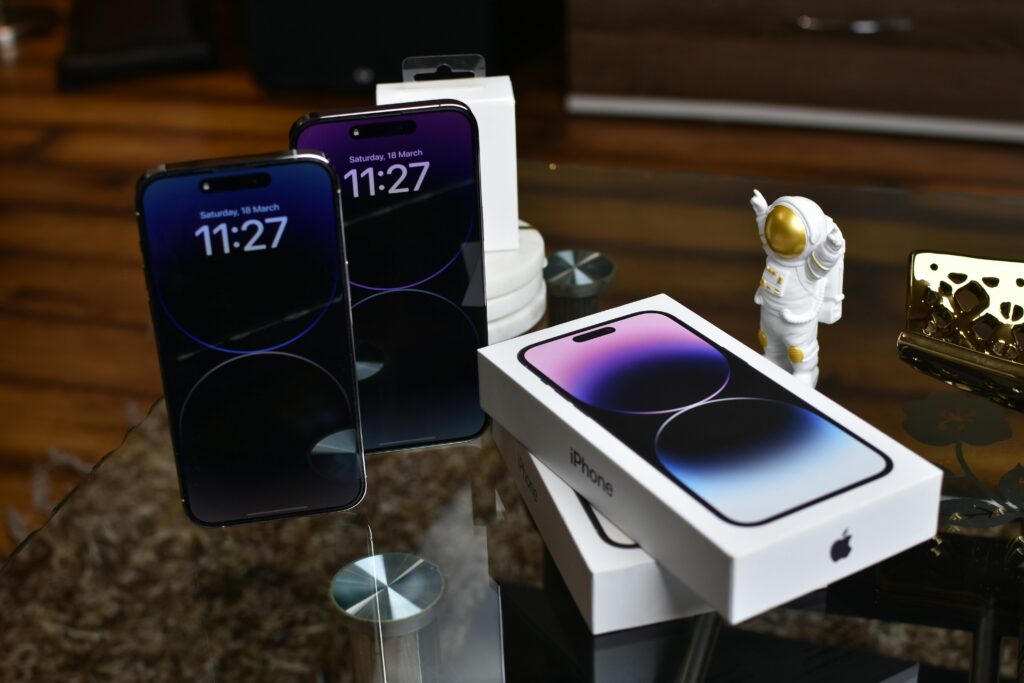
In today’s digital world, mobile applications are no longer just tools; they are behavioral architects. From fitness trackers to finance apps and social media platforms, our daily routines are increasingly shaped by algorithms that learn from our actions and respond in real time. Whether we are tracking calories, setting reminders, or scrolling through curated feeds, our habits are subtly influenced by notification timing, interface design, and personalized recommendations.
What makes this shift powerful is data. Applications collect behavioral signals such as time spent, click patterns, and engagement frequency. These data points allow platforms to refine experiences to keep users active and engaged. According to research from Pew Research Center, a majority of Americans report checking their phones multiple times per hour, reinforcing how deeply integrated mobile technology has become in everyday life (Pew Research Center).

However, this influence can be both productive and overwhelming. Productivity apps may encourage structure and efficiency, while social apps may trigger dopamine-driven usage cycles. Technology is not inherently positive or negative; its impact depends on how consciously it is used. Understanding how analytics power these platforms gives users more awareness and control over their digital habits.
As mobile app ecosystems continue to evolve, the integration of analytics platforms like Google Analytics 4 and Firebase further enhances personalization. Data-driven insights allow companies to optimize user journeys, but they also challenge individuals to develop healthier digital boundaries.
Pew Research Center. Mobile Fact Sheet. Pew Research Center, 2023, www.pewresearch.org/internet/fact-sheet/mobile/.
Montag, Christian, and Jon D. Elhai. “Discussing Digital Technology Overuse in Children and Adolescents During the COVID-19 Pandemic and Beyond.” Addictive Behaviors Reports, vol. 13, 2021, doi:10.1016/j.abrep.2021.100327.

Your post clearly explains how mobile apps shape everyday habits through analytics and personalization. I especially liked how you connected user behavior with data-driven design and its impact on productivity and mental health.
Thanks for your observation
I like how you tie the class content on GA4 and Firebase to helping users understand and control their digital habits and develop healthier boundaries. Social media platforms are major sources of distraction for me and negatively impact my daily work and school productivity. It would be really helpful to have a way to track personal digital footprint to give users more awareness of how these technologies impact their everyday life.
Thanks for your observation