
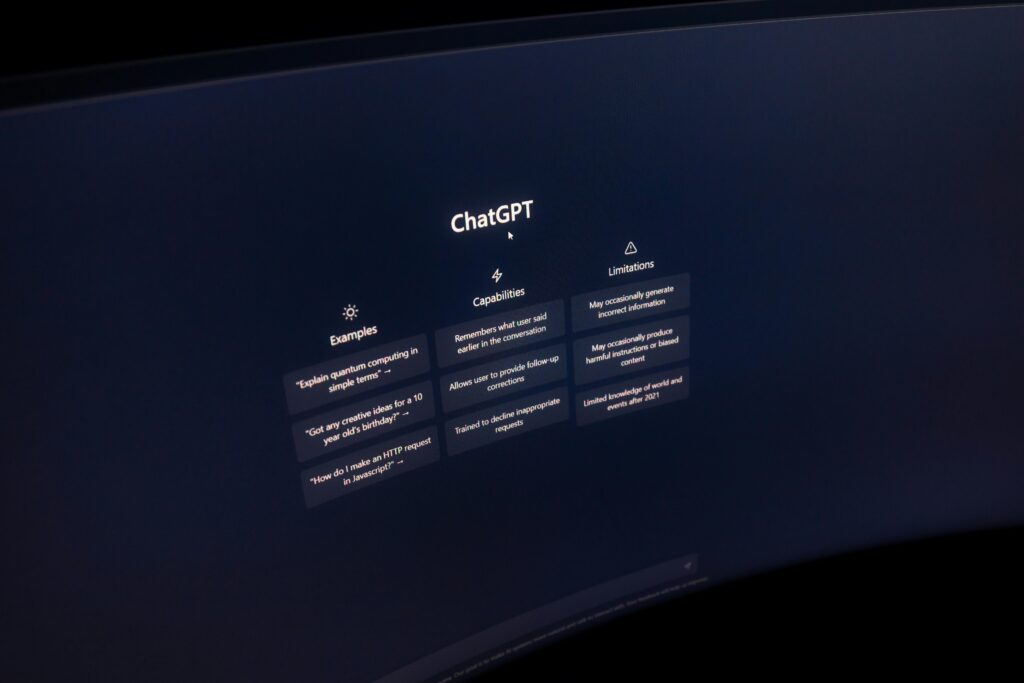
Artificial Intelligence (AI) has rapidly become one of the most discussed technologies in recent years. From generating artwork to writing articles and composing music, AI systems are beginning to perform tasks that were traditionally associated with human creativity. Tools such as ChatGPT, Midjourney, and other generative AI platforms are capable of producing content within seconds, raising an important question: could artificial intelligence eventually replace human creativity? While AI has demonstrated remarkable capabilities, many experts argue that it may enhance creativity rather than replace it.
AI systems generate content by analyzing massive datasets and identifying patterns within them. For example, generative AI models are trained on large collections of images, texts, or audio recordings. Using machine learning algorithms, these systems learn how to replicate styles and structures found in the training data. As a result, AI can create artwork that resembles the style of famous painters, compose music similar to existing genres, or write essays that follow logical structures. Because of this ability, many industries such as advertising, graphic design, and media production are already experimenting with AI-generated content to speed up creative processes.

However, the question of whether AI can truly be creative remains widely debated. Human creativity is often driven by emotions, personal experiences, cultural context, and imagination. These factors allow humans to produce ideas that are original, meaningful, and sometimes unpredictable. AI, on the other hand, relies on data patterns and probabilities rather than genuine understanding or emotional expression. While AI can generate impressive outputs, critics argue that it does not possess the deeper awareness or intent that humans bring to creative work.
Another important aspect of this discussion is the potential collaboration between humans and AI. Instead of replacing creative professionals, AI tools can function as assistants that support human creativity. For instance, designers may use AI to quickly generate visual concepts, writers may use AI to brainstorm ideas, and filmmakers may use AI to enhance visual effects. In these cases, AI helps reduce repetitive tasks and allows creators to focus more on innovation and storytelling. This collaborative model suggests that the future of creativity may involve humans and machines working together rather than competing against each other.
Despite the rapid development of AI technology, human creativity still plays a critical role in shaping culture, art, and innovation. AI tools may be powerful, but they still depend on human input, guidance, and interpretation. As AI continues to evolve, it will likely become an important creative partner rather than a complete replacement for human imagination. Understanding how to balance technological advancement with human originality will be essential in shaping the future of creative industries.
OpenAI. GPT-4 Technical Report. OpenAI, 2023.
Vincent, James. “AI Art Tools Are Changing How People Create Images.” The Verge, 2023, www.theverge.com.